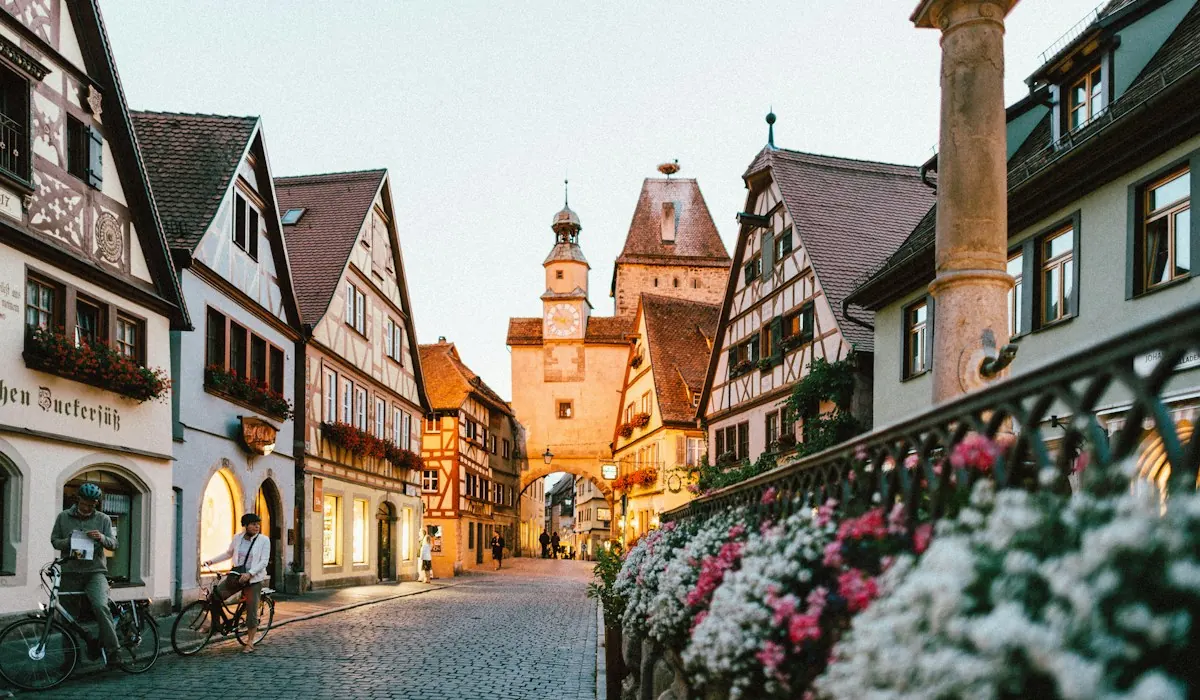
It has become very common: a business owner lives in France, one child works in Brussels, another has settled in Munich, and the family owns a property in Spain. Each situation brings another legal system into the transfer of the family’s wealth. Planning remains entirely possible — but it requires coordination.
The European Succession Regulation
Since August 2015, most EU Member States apply Regulation (EU) No 650/2012. Its main principle: as a rule, a person’s whole estate is governed by the law of the country where they had their habitual residence at the time of death. Denmark and Ireland do not take part in the Regulation.
The Regulation also allows you to choose the law of your nationality to govern your succession, by stating it clearly in a will. This choice can bring welcome predictability — but it should be made with full knowledge of its consequences, especially regarding the shares some countries reserve for children.
The European Certificate of Succession
Issued in one Member State, it allows heirs and executors to prove their status in the others — to access a bank account or register a property — without starting the procedure again in each country.
What the Regulation does not cover: tax
The Regulation deals with civil law — who inherits and how — but not with inheritance or gift taxes. Each country keeps its own tax rules, and the same estate can sometimes be taxed in more than one place. Bilateral tax treaties exist between some countries, but not all.
Three practical recommendations
Map your situation: residences, nationalities, assets and company shares, country by country.
Review your will and marriage contract in light of the applicable laws.
Coordinate your advisers: notaries in each relevant country, tax adviser and lawyer should work from the same overall plan.
Often compared to the Anglo-Saxon trust, the French fiducie can secure the management of assets or a company in delicate situations. How it works and when to consider it.
A family charter, a family council and a clear shareholder agreement are not reserved for dynasties. Here is how ordinary family businesses use them to keep the peace.
Each specialist sees one part of your situation. Without coordination, excellent individual advice can add up to an incoherent plan. Interprofessional work changes that.
We use strictly necessary cookies to run this website. With your consent, we would also like to use audience-measurement cookies (Google Analytics) to understand how the site is used and improve it. You can change your mind at any time. Read our cookie policy.
Cookie preferences
Choose which categories of cookies you allow. Your choice is stored for 6 months. Details are available in our cookie policy.
Strictly necessary
Always active
Required for the website to work: security of the contact form (session) and remembering your cookie choice. They cannot be switched off.
Google Analytics 4 helps us count visits and understand which pages are useful. Data is aggregated and IP addresses are not stored by Google Analytics 4.